Floral Number 0 Cutting Files: A Designer's Real-World Review
As someone who has spent years refining embroidery designs for both personal passion projects and commercial client work, I know that the difference between a good product and a great one often comes down to the details. Recently, I came across Floral Number 0 Cutting Files, a set of digital illustrations marketed for cutting software like Cricut Design Space. While the listing highlights editable files in SVG, PNG, DXF, and EPS formats, my primary interest lies in how these graphics translate into tangible, stitched reality. Can a design intended primarily for cutting machines hold its own as a machine embroidery design? After putting it through a series of test runs on various fabrics, I have some practical insights to share with fellow designers, Etsy sellers, and craft business owners.
The First Impression: Mood and Visual Personality
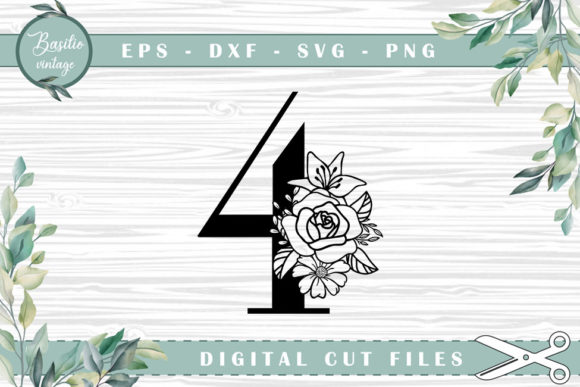
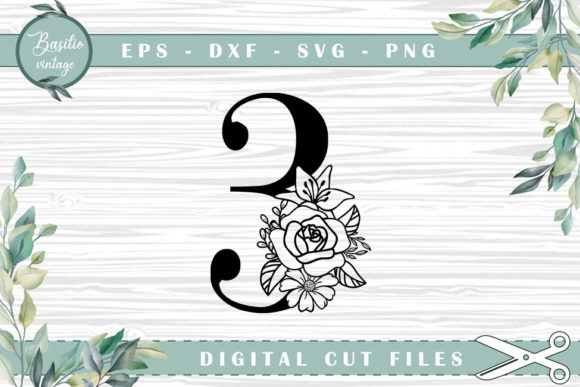
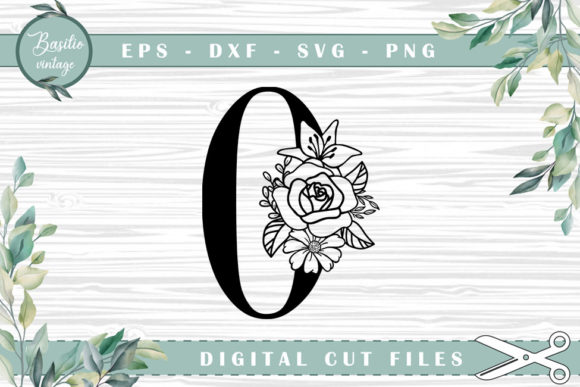
When you first open the Floral Number 0 Cutting Files, the immediate feeling is one of delicate elegance. The layout suggests a classic botanical theme, likely featuring soft curves and organic shapes that mimic natural growth patterns. For an embroiderer, this visual personality is crucial because it dictates where the design fits best. It does not scream "bold statement" or "modern geometric"; instead, it whispers "handmade charm." This makes it an ideal candidate for projects that require a touch of vintage romance or gentle sophistication.
In terms of detail level, the file appears to strike a balance that is often hard to find. Too much detail can get lost in dense stitching, while too little can look flat and unfinished. The floral elements seem substantial enough to carry weight in a satin stitch or fill stitch application without becoming muddy when rendered in thread. However, the sharpness of the lines provided in the high-quality PNG and vector formats suggests that the design relies heavily on clean edges, which translates beautifully to applique work or precise outline stitches.
Real-World Application: From Screen to Stitch
To truly understand the potential of Floral Number 0 Cutting Files, I decided to apply it to a real-life scenario: creating a custom embroidered tote bag for a local boutique. The goal was to produce a handmade product that felt premium and unique, suitable for a small shop merchandise line. Using the SVG file as a guide, I imported the design into my digitizing software to adjust the stitch paths for embroidery rather than cutting.
The results were promising. On a sturdy canvas tote, the floral motif stood out clearly against the neutral background. The curves flowed naturally with the fabric grain, creating a sense of movement that static prints often lack. I found that the design works exceptionally well for personalized gifts, such as wedding favors or baby showers, where the soft aesthetic adds a layer of emotional value. The versatility extends beyond bags; imagine this design on a linen apron for a home baker, or perhaps as a decorative accent on a nursery pillow cover. In each case, the Floral Number 0 Cutting Files brings a cohesive, professional look that elevates the perceived quality of the finished product.
For those selling on platforms like Etsy, the visual appeal of this design is a significant asset. Customers often judge the professionalism of a handmade item by the clarity of the embroidery. Because the source files are high-resolution (300 PPI) and editable, you can easily mock up different color combinations to show buyers how the final piece might look. This ability to create compelling printable mockups can drive engagement and sales before the actual production even begins.
Navigating Challenges: Where Caution is Key
While the design shows great promise, no single file is a magic bullet for every situation. As an experienced designer, I must point out specific areas where Floral Number 0 Cutting Files requires careful consideration. One of the biggest challenges involves small hoop sizes. If you attempt to stitch this design on a tiny patch or a very small accessory, the intricate details might get crowded. Satin stitches need room to breathe; otherwise, the threads will bunch up, creating a rough texture that detracts from the delicate nature of the floral theme.
Fabric choice is another critical factor. Textured fabrics, such as heavy waffle knits or boucle, can obscure the fine lines of the design. Similarly, stretchy fabrics like jersey or thin cottons may distort the shape if not stabilized correctly. When working with dark fabrics, the contrast of light-colored threads becomes essential. You must ensure that your thread colors provide enough visibility against the background material. If the contrast is too low, the design loses its impact, and the customer may feel the product lacks value.
Curved surfaces, such as caps or hats, present yet another hurdle. While the design looks beautiful on flat surfaces, transferring it onto a curved brim requires advanced digitizing skills to account for the distortion. Additionally, if you plan to use this for products that undergo frequent washing, like kitchen towels or baby clothes, you need to pay close attention to stitch density. High-density areas can trap lint or water, leading to faster wear and tear. Always test the durability of the stitching before mass-producing items for sale.
Practical Notes for the Embroidery Designer
If you are planning to incorporate Floral Number 0 Cutting Files into your workflow, whether for commercial embroidery or a hobbyist project, follow these practical steps to ensure success. First, always test the design on scrap fabric that matches the texture and weight of your final material. This simple step can save you hours of rework and prevent costly mistakes.
Review the stitch density carefully. Even though the file is provided as a cutting graphic, converting it to an embroidery file requires adjusting the fill and satin stitches to suit the fabric. Check whether the design includes running stitch elements that might need reinforcement for longevity. Confirm the appropriate hoop size for your specific machine and the garment you are working on. Using the wrong stabilizer can lead to puckering, so select a stabilizer that complements the fabric type—cut-away for stability on woven items or tear-away for lighter applications.
Inspect small details under magnification. Sometimes, what looks perfect on a screen reveals jagged edges or missing nodes when converted to stitches. Test the design in black and white mockups to verify that the contrast holds up before committing to expensive threads. Compare the design on both light and dark backgrounds to ensure versatility. Finally, confirm licensing terms explicitly. Just because a file is labeled as a cutting file does not automatically grant commercial rights for selling finished embroidered goods. Verify that you are allowed to sell products made from Floral Number 0 Cutting Files in the Graphics category, especially if you are operating a craft business or selling on marketplaces like Etsy.
Final Thoughts on Value and Versatility
In conclusion, Floral Number 0 Cutting Files offers a solid foundation for creative entrepreneurs looking to expand their product lines. Its elegant floral theme fits seamlessly into categories ranging from holiday embroidery to boutique branding. By understanding its strengths and limitations, you can leverage this design asset to create finished products that customers trust and love. Whether you are decorating custom apparel, crafting personalized gifts, or building a brand identity, taking the time to evaluate the design in a real-world context is the mark of a true professional. With the right preparation and attention to detail, this file can become a staple in your collection of design assets, helping you deliver consistent quality and style in every handmade piece you create.